
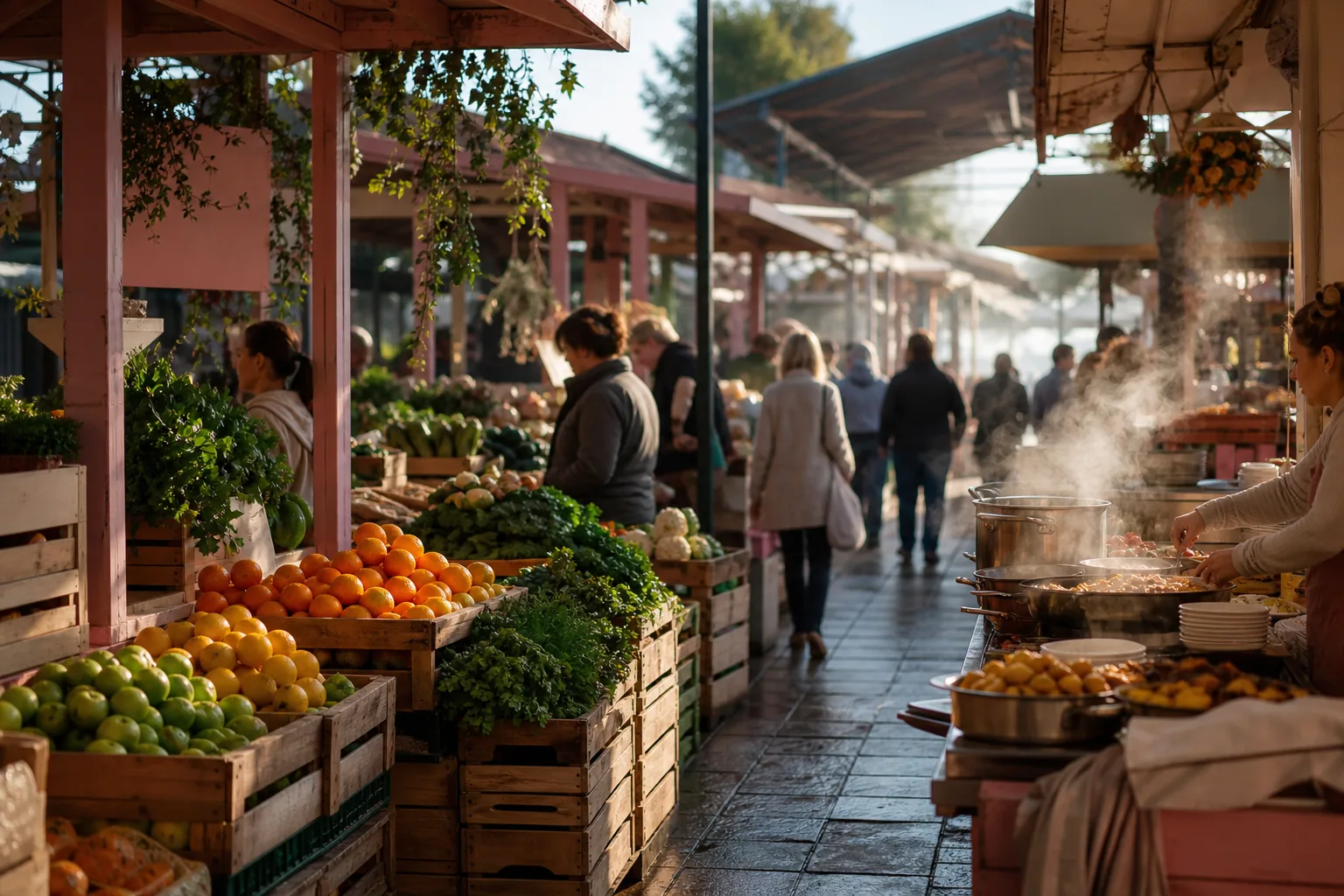
Meal schedules that actually matter
Learn when people around you breakfast, pause at midday, and sit for a late supper. Arriving outside those windows often means reheated trays or a locked kitchen door.
Practical notes for travelers who want meals to explain a place.
Food is a way to read a region: what grows nearby, what kitchens prepare at different hours, and how a neighborhood table differs from a tourist strip. Our notes cover markets, ordering without a shared language, dietary clarity, and a steadier first day of eating away from home.
Learn MoreMarkets and seasons
A morning market shows more than piles of produce. It shows what is abundant this week, which stalls locals return to, and how a kitchen will taste later in the day.
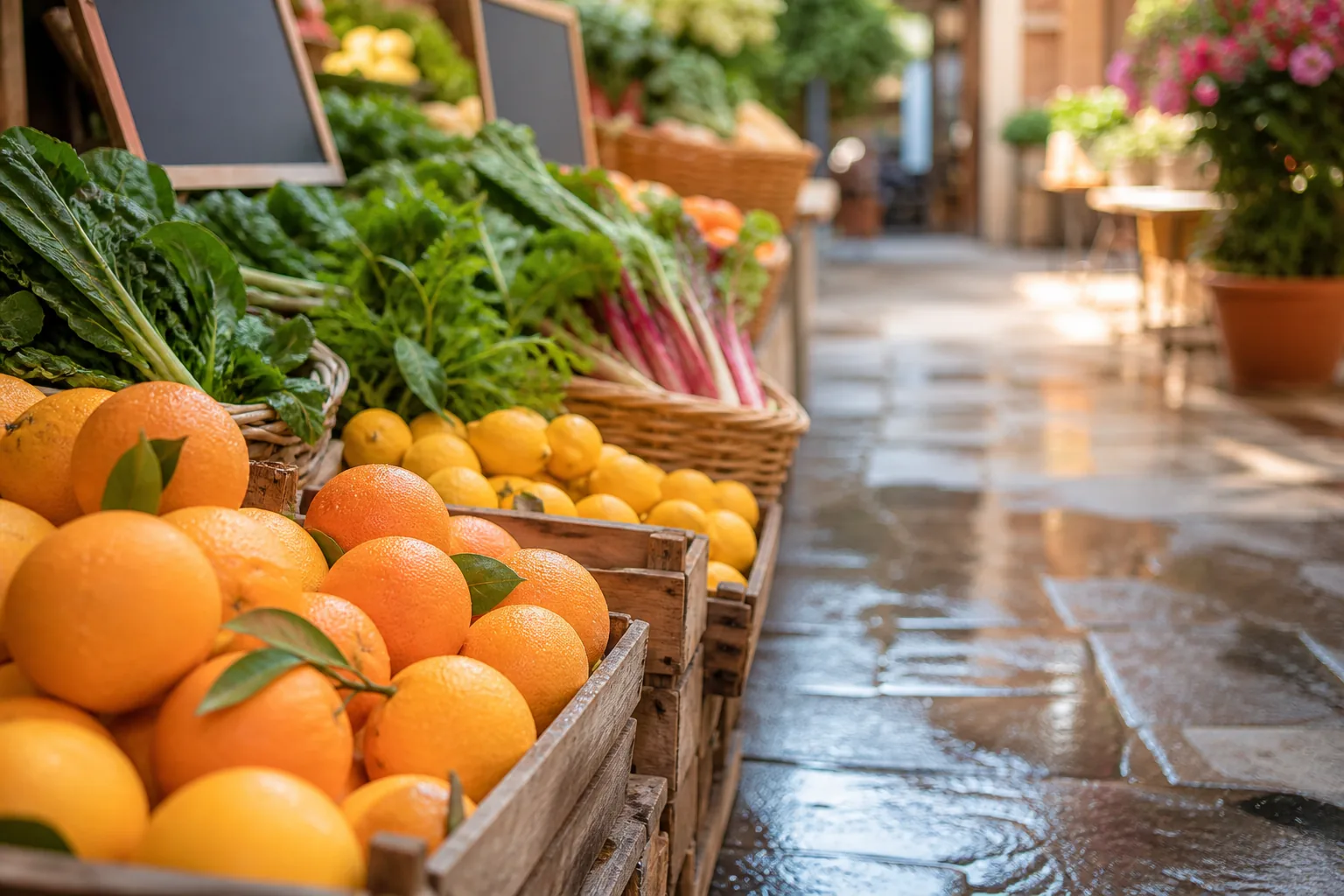
Timing and place
Kitchens shut when visitors are still hungry. Tourist corridors and neighborhood rooms follow different rhythms, and the difference is visible before you open a menu.
Learn when people around you breakfast, pause at midday, and sit for a late supper. Arriving outside those windows often means reheated trays or a locked kitchen door.
Multilingual boards, photo-led menus, and constant table turnover signal a visitor room. Short handwritten lists, regulars at the counter, and quiet side streets usually point elsewhere.
Skip the first glowing storefront beside the station. Start with water, a market snack, and one neighborhood lunch so the day does not collapse into convenience eating.
Ten extra minutes often separate a line built for photos from a room where people come to eat after work. Pace beats the nearest open door.
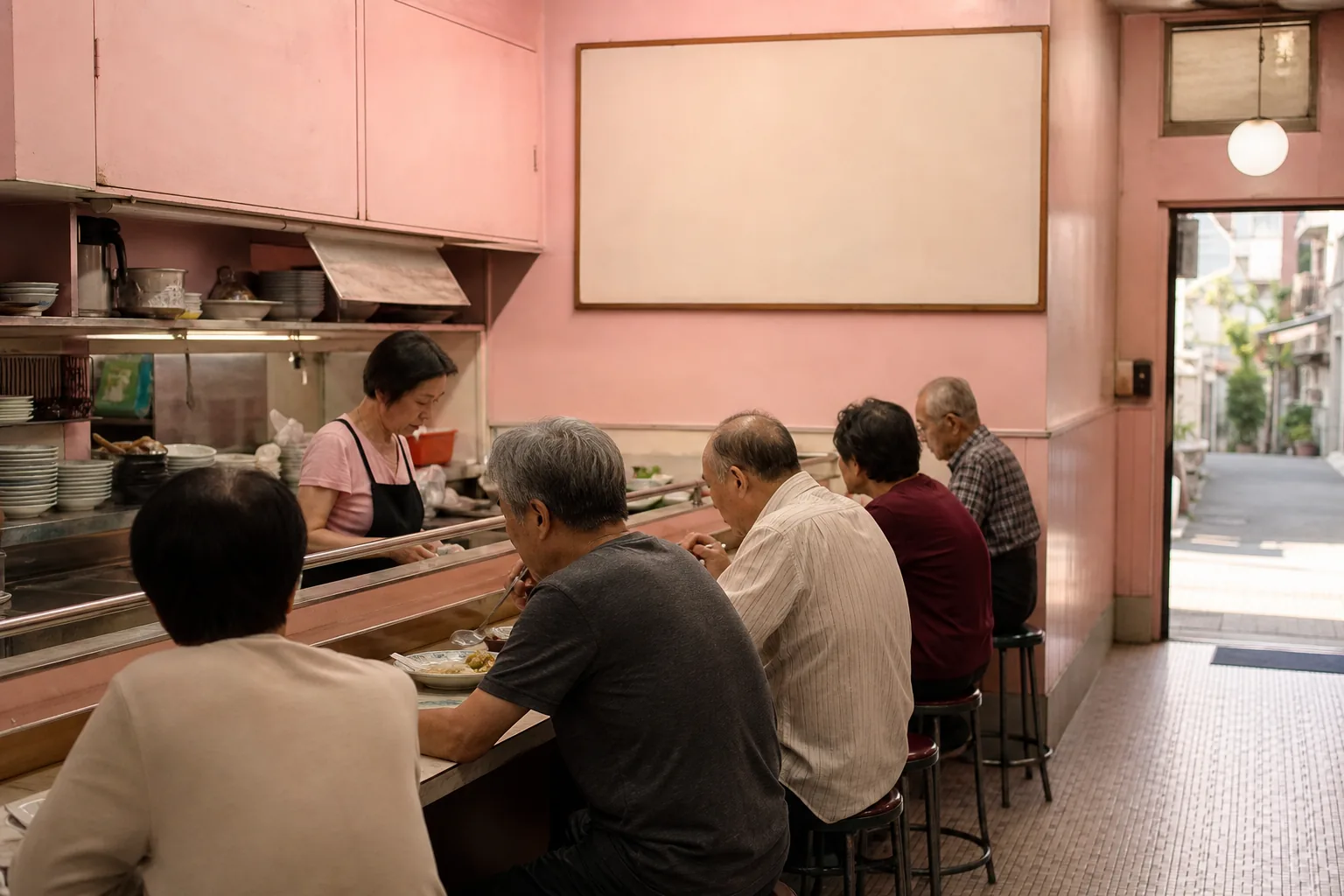
Field record
The counts come from documented market walks, traveler consultations, and notes gathered across repeated visits. They describe pace of practice, not promises of outcomes.
At the table and beyond
Shared language is optional. Clear questions, careful street-counter habits, water planning, and a simple kitchen plan are required.
Point to a prepared tray, ask about heat and allergens with short cards, and confirm ingredients before the plate leaves the pass. Clarity beats guessing from photos.
State restrictions when booking and again at the table. Ask what oils, broths, and sauces are used, then decide if the kitchen can adapt without improvising under pressure.
Watch turnover, hand washing, and how food is held warm. Busy lines help, but so does seeing ingredients handled in open view. Skip trays that sit still for long stretches.
Confirm what is safe to drink, carry a refill plan for hot hours, and ask how beverages are prepared. Staying hydrated keeps the rest of the food day usable.
A market shop and a basic kitchen cover breakfasts and one quiet dinner. Focus on foods that need little gear: washed fruit, eggs, bread, and a single pan dish.
Pair one market stop, one neighborhood lunch, and an early evening plan. That structure reduces impulse choices when fatigue arrives after transit.
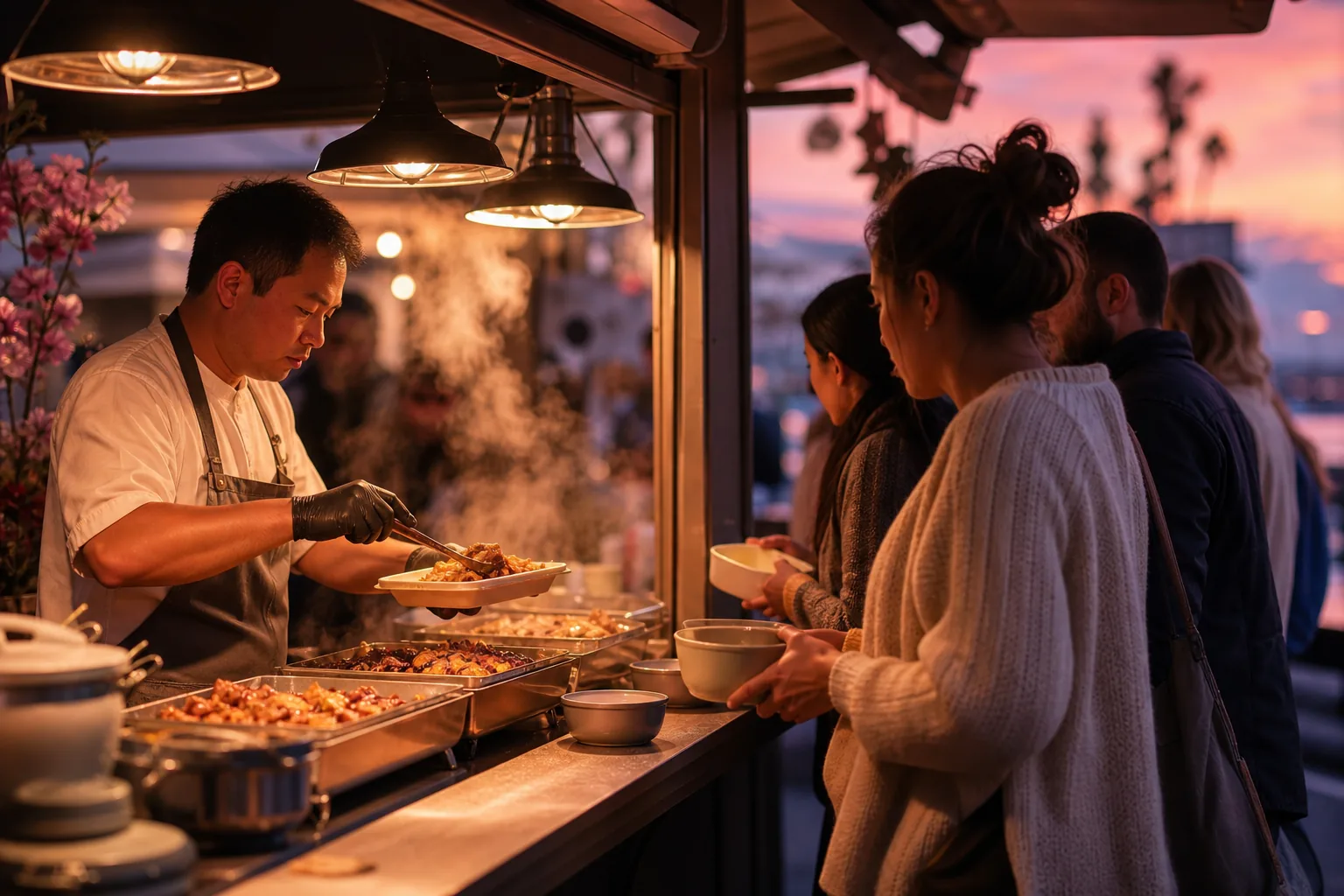
Our team eats where residents eat, then turns those notes into route-specific recommendations. If you need help shaping the food portion of an itinerary, request a consultation and bring your constraints, timing, and dietary needs.
Request a ConsultationPeople behind the notes
Three advisors with complementary field work: markets, neighborhood dining patterns, and dietary travel planning.

Market Research Lead
Certified Culinary Tourism Educator · Regional Produce Mapping Certificate
Records morning markets and seasonal produce shifts, then translates those patterns into practical arrival-day food plans.

Neighborhood Dining Advisor
Hospitality Operations Diploma · Field Interview Methods Certificate
Lines up visitor corridors with side-street rooms and coaches travelers on reading service cues before they sit down.

Dietary Travel Specialist
Registered Dietitian Nutritionist · Travel Allergy Communication Certificate
Helps travelers state dietary limits clearly across booking, ordering, and follow-up questions when kitchens move quickly.
Traveler notes
Short notes from travelers who used our guidance to reshape how they shopped, ordered, and paced their first food days.
Share your dates, dietary needs, and how adventurous you want the table to feel. We reply with practical options you can verify on the ground.
Contact Usnyvptz provides knowledge about food as a way to understand a place. We offer consultations and clear field guidance — not rankings of “best dishes,” and not a platform that replaces your own judgment at the counter.
Learn Morenyvptz publishes this material for informational and educational purposes. They describe approaches to markets, meal timing, ordering, and dietary communication so travelers can prepare more thoughtfully. The content is intended to introduce our services and shared field observations.
Conditions change between visits: hours shift, kitchens renovate, vendors move stalls, and lodging kitchens vary. Before you travel, confirm details directly with businesses and local contacts. We recommend speaking with relevant specialists — including medical or dietary professionals when you have health-related food limits — before relying on any general guidance.
You remain responsible for decisions about where to eat, what to order, and how to manage water, allergens, and personal comfort. nyvptz does not accept liability for outcomes that result from independent choices made while traveling.